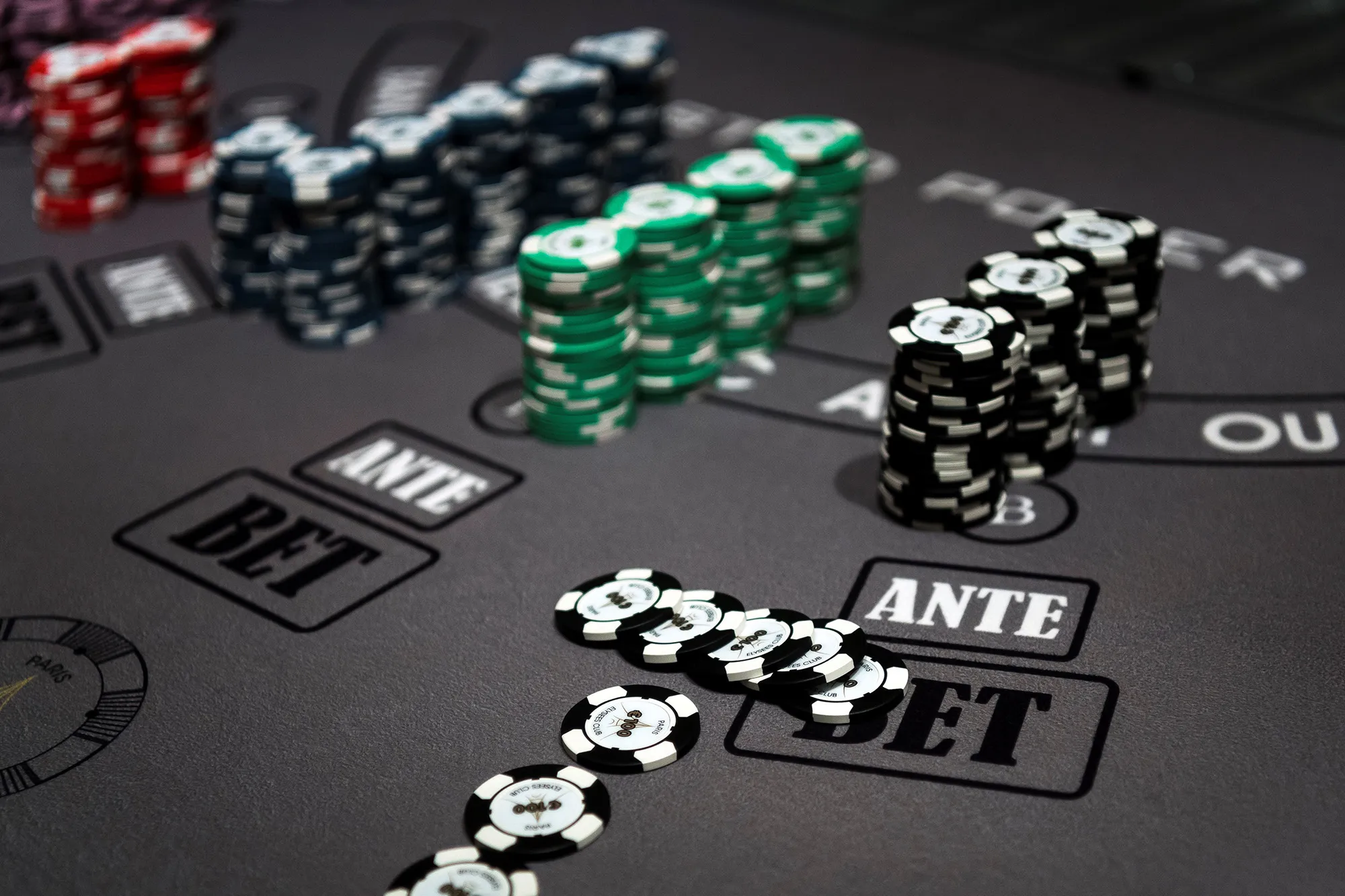
Remember the smoky backrooms, the clink of chips, and that nervous shuffle of cards? Well, poker has evolved. It’s gone digital, then mobile, and now — it’s gone decentralized. We’re talking about blockchain poker. No more shady operators holding your funds for weeks. No more “the house always wins” because, well, sometimes there is no house. Let’s pull up a chair and look at how this works, and — more importantly — how you don’t lose your shirt managing a cryptocurrency bankroll.
What Exactly Is Decentralized Poker?
Honestly, it’s a bit like playing poker in a transparent glass room. Everyone sees the rules. Everyone sees the pot. And nobody — not even the platform — can cheat. Decentralized poker runs on smart contracts. These are self-executing bits of code on a blockchain (like Ethereum, Solana, or Polygon). They handle the deck shuffling, the deal, the pot, and the payouts. No human intervention.
Here’s the deal: when you join a table, your crypto is locked into a smart contract. The contract acts as the dealer. It’s impartial. It can’t favor a player. It can’t “accidentally” deal a bad beat to you. That’s a huge leap from traditional online poker where you often wonder… is the RNG rigged? With blockchain, the randomness is verifiable. You can check the code yourself. Wild, right?
Key Differences from Traditional Online Poker
- Trustless gameplay — You don’t trust the platform; you trust the code.
- Instant withdrawals — No 3-day waiting periods. Crypto moves fast.
- Provably fair — Every hand’s randomness can be audited on-chain.
- No KYC (sometimes) — Many platforms just need a wallet address. That’s it.
- Global access — No geo-blocking. As long as you have internet, you play.
But — and this is a big but — it’s not all rainbows. The user experience can be clunky. Transaction fees? Yeah, they can eat into your winnings if you’re on Ethereum during a gas war. And the liquidity? Sometimes thin. You might wait a bit for a full table.
Top Blockchain Poker Platforms You Should Know
Let’s be real — not all platforms are created equal. Some are polished. Some are buggy. Some are outright scams (yes, even on blockchain). Here are a few that have stood the test of time — well, as much as crypto time can test anything.
1. Poker (formerly Virtue Poker)
Built on Ethereum and Polygon. It’s one of the older names in the space. They use a decentralized network of “validator nodes” to shuffle cards. It feels a bit like a classic online poker room, but with crypto. The UI is decent. The games? Texas Hold’em, Omaha, and sometimes tournaments. They accept USDT, ETH, and their native token.
2. CoinPoker
CoinPoker is probably the most well-known. It’s been around since 2018. They use their own token (CHP) but also accept Bitcoin and Ethereum. The rake is lower than traditional sites — like, 3% compared to 5-10% elsewhere. That adds up. They also have a “Rakeback” system. It’s smooth, mobile-friendly, and has a decent player pool. The catch? Some players complain about bots. But that’s a poker-wide problem, not just crypto.
3. PokerBros (via Smart Contracts)
Okay, PokerBros itself isn’t decentralized. But there are now “clubs” that use smart contracts for escrow. You join a club, deposit crypto into a contract, and the club owner can’t run away with your money. It’s a hybrid model. Honestly, it’s a bit messy. But it works for some.
4. Decentral Games (on Polygon)
This one’s interesting. It’s a metaverse poker platform. You play in a 3D environment, like a virtual casino. The chips are NFTs. The games are provably fair. It’s a bit gimmicky, sure, but the tech is solid. Plus, they have a “play-to-earn” model where you earn their governance token. Not for everyone, but worth a look if you like immersion.
Cryptocurrency Bankroll Management — The Real Game
Here’s where most people mess up. They win a big pot in crypto, and suddenly they’re buying a Lambo in their head. But crypto is volatile. Your $1000 bankroll today might be worth $600 tomorrow — not because you lost at poker, but because Bitcoin took a dump. You need a strategy.
Think of your bankroll like a poker chip stack, but the chip value changes every hour. That’s the challenge. You’re not just managing your poker skill; you’re managing market risk. Let’s break it down.
Rule #1: Separate Your Poker Bankroll from Your “HODL” Bag
This is non-negotiable. Do not play poker with your long-term investment crypto. That’s like using your retirement fund to buy lottery tickets. Create a separate wallet — a “playing wallet.” Only put in what you’re willing to lose (the classic advice, but it applies doubly here). And for the love of all that is holy, don’t keep your entire net worth in that wallet.
Rule #2: Convert to Stablecoins Before You Play
Most platforms let you deposit USDT, USDC, or DAI. Do that. Why? Because if you deposit 1 ETH worth $3000, and then ETH drops to $2500, you just lost $500 in bankroll value without playing a hand. That’s tilt before you even sit down. Play in stablecoins. It keeps your bankroll… stable. Save the volatile crypto for your “investing” wallet.
Rule #3: Track Your Wins and Losses in Fiat Terms
It’s easy to think “I won 0.5 ETH last night!” But if ETH was $4000 and now it’s $2000, you didn’t win. You broke even in dollar terms. Keep a spreadsheet. Track your buy-ins and cash-outs in USD. That’s your real profit. Don’t get fooled by crypto-denominated gains. It’s a psychological trap.
Rule #4: Use a “Crypto Rakeback” to Your Advantage
Many decentralized poker platforms offer rakeback in their native tokens. For example, CoinPoker gives you CHP tokens based on the rake you generate. These tokens can appreciate in value. So, you’re essentially getting paid to play. But — and here’s the nuance — don’t hold those tokens forever. Cash them out regularly. Treat them like income, not an investment. Unless you really believe in the project.
Common Pitfalls (and How to Avoid Them)
Let’s be honest — the decentralized poker world is still the Wild West. Here are some traps:
- Smart contract bugs — A code glitch could lock your funds. Stick to audited platforms. Look for “Certik” or “SlowMist” audits.
- Phishing sites — Fake versions of popular poker dApps exist. Always double-check the URL. Bookmark the real one.
- High gas fees — On Ethereum, a single hand could cost $5 in gas. That’s insane for micro stakes. Use Layer 2 solutions (Polygon, Arbitrum) or Solana-based platforms.
- Addiction risk — Crypto feels less “real” than cash. It’s just numbers on a screen. Set deposit limits. Seriously.
Bankroll Management Table — Quick Reference
| Bankroll Size (in USDT) | Recommended Stake Level | Max Buy-in per Table | Risk of Ruin |
|---|---|---|---|
| $100 – $500 | Micro stakes ($0.01/$0.02) | $5 – $10 | High (if you chase) |
| $500 – $2,000 | Low stakes ($0.05/$0.10) | $20 – $40 | Moderate |
| $2,000 – $10,000 | Mid stakes ($0.25/$0.50) | $50 – $100 | Low |
| $10,000+ | High stakes ($1/$2+) | $200+ | Very low (with discipline) |
These are rough guidelines. Adjust based on your skill level. If you’re a beginner, even $500 should be played at micro stakes. The goal is to survive variance, not to get rich quick.
Decentralized poker isn’t perfect. It’s clunky, sometimes slow, and the player pools are smaller than the big sites. But it’s honest. There’s something refreshing about knowing the deck isn’t stacked against you — at least not by the platform. The bad beats? Those are just bad beats. That’s poker.
As blockchain tech matures, these platforms will only get faster, cheaper, and more user-friendly. Imagine a world where you play a hand, and the settlement happens in seconds, with zero counterparty risk. That’s coming. And if you start managing your crypto bankroll smartly now — using stablecoins, tracking in fiat, and avoiding the hype — you’ll be ahead of the curve.
So, shuffle up and deal… but maybe do it on Polygon.